
What the evidence actually says (and what it doesn’t)
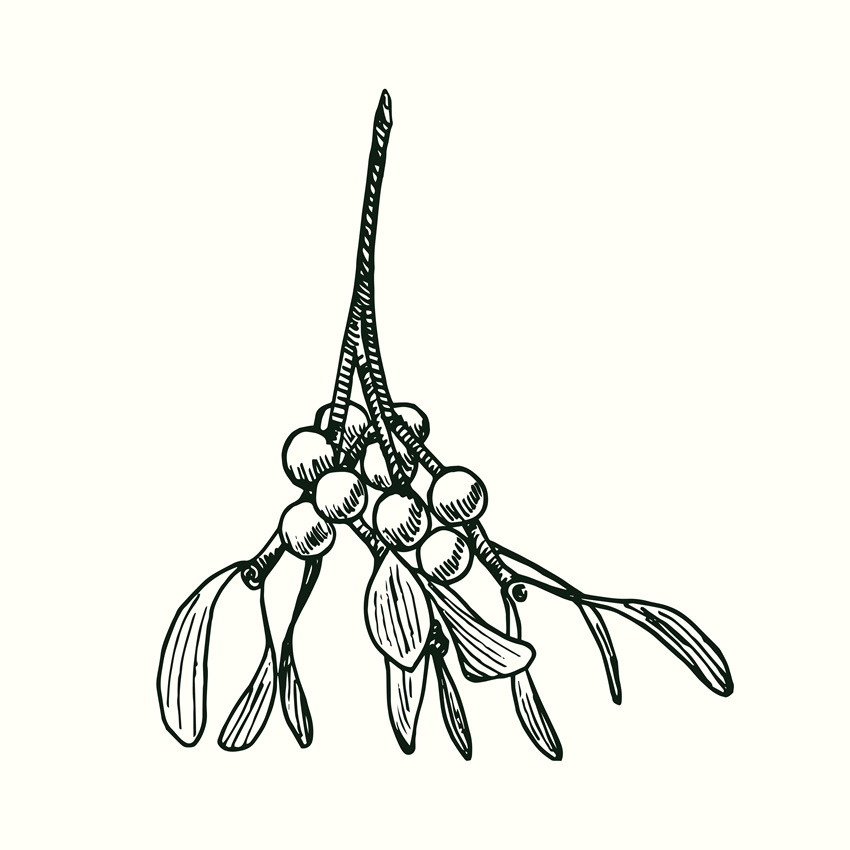
“Mistletoe” sounds like something you hang in a doorway in December, not something you’d bring into an oncology conversation.
And yet European mistletoe extract (Viscum album L.) has been used as an adjunct in integrative oncology for decades, especially in parts of Europe. The controversy isn’t whether patients use it, they do. The controversy is what the data truly supports: symptom support vs tumor control vs survival.
First: What Mistletoe Therapy Is
Most clinical studies evaluate injectable mistletoe extracts (often subcutaneous injections several times weekly). Some clinics also use IV mistletoe in select settings, but that evidence base is earlier-stage. (PMC)
What It’s Used for in Integrative Oncology
The most consistent clinical signals across the literature are in:
- Quality of life (QoL), fatigue, symptom burden
- Tolerability of chemo/radiation (fewer dose reductions/hospitalizations in some studies) (PubMed)
What It Is Not
Mistletoe is not considered a stand-alone cancer treatment in mainstream oncology, and the evidence does not support replacing standard therapies with mistletoe. (Cancer.gov)
The Best High-Level Evidence (All Cancers Combined)
A major meta-analysis found a moderate improvement in quality of life across cancers, with the usual caveat: many trials are hard to blind and have variable quality. (PubMed)
On survival, systematic reviews/meta-analyses exist suggesting possible benefit in certain settings, but conclusions remain debated due to heterogeneity and risk of bias. (PubMed)
So we’ll do what good Terrain medicine does: zoom in by cancer type and endpoints.
Evidence by Cancer Type
1) Breast Cancer
Best-supported endpoint: quality of life during treatment.
A 2023 systematic review/meta-analysis focused on breast cancer found a medium-sized improvement in QoL in randomized trials (and smaller but present effects in non-randomized studies), while noting limitations (bias, blinding challenges). (PMC)
What patients might notice (when it helps):
- fatigue, stamina, overall well-being while on chemotherapy (varies by person)
What we can’t claim from this dataset:
- definitive survival benefit specifically in breast cancer from modern blinded RCTs
2) Prostate Cancer
Reality check: clinical outcomes evidence is limited compared with the other cancers on this list.
There is mechanistic and preclinical work on prostate cancer cell lines and immunologic effects, but that’s not the same as proving survival or recurrence impact in humans. (PMC)
What we can responsibly say:
- In prostate cancer, mistletoe is used more as supportive care in integrative settings than as an evidence-backed survival strategy (based on the current published human clinical landscape).
3) Lung Cancer (Especially NSCLC)
Here the evidence is mixed and very “endpoint-specific.”
Randomized phase II data (chemo + mistletoe vs chemo alone)
A randomized phase II trial in advanced NSCLC found:
- No difference in overall survival (both medians 11 months)
- No clear QoL improvement
- Signals for fewer chemo dose reductions, fewer severe non-hematologic side effects, and fewer hospitalizations in the mistletoe group (ScienceDirect)
Observational/real-world studies
There are observational studies suggesting improved outcomes when mistletoe is added, including in some modern immunotherapy contexts, but these are associations, not proof of causation. (PLOS)
Takeaway for patients:
- The best-supported “why” in lung cancer is supportive care/treatment tolerance, not a guaranteed survival advantage.
4) Colorectal Cancer
Colorectal cancer has some supportive-care and perioperative evidence.
A controlled clinical study in non-metastatic colorectal cancer reported:
- fewer adverse drug reactions from conventional therapy
- fewer symptoms during therapy
- and longer tumor-free survival in the mistletoe group (with expected local/systemic reactions in a minority). (Thieme Connect)
There’s also a systematic review/meta-analysis looking at mistletoe use in the perioperative period (across cancers), which supports ongoing investigation and speaks to safety/feasibility in that window. (MDPI)
Takeaway:
- Colorectal is one of the areas where supportive outcomes and some disease-course signals exist, but the overall evidence quality and modern replication remain the key limitations.
5) Pancreatic Cancer
Pancreatic cancer is where people most want a “hard endpoint” answer, and the literature is especially important to read carefully.
The strongest modern RCT: MISTRAL (double-blind, placebo-controlled)
The MISTRAL trial (advanced pancreatic cancer) concluded mistletoe extract is unlikely to have a clinically significant effect on overall survival or global QoL when added to comprehensive cancer care. (PMC)
Why confusion persists
There are observational datasets suggesting improved survival in certain integrative combinations, but observational results can be influenced by selection bias and confounding (who chooses integrative care, baseline differences, supportive resources, etc.). (PMC)
Takeaway:
- In pancreatic cancer, the best blinded randomized evidence to date does not show meaningful benefit for survival/QoL, even though non-randomized data sometimes looks more optimistic.
Safety and Side Effects (Patient-Friendly)
Mistletoe is generally described as well tolerated in many studies, with the most common issues being:
- local injection site reactions
- flu-like symptoms / low-grade fever
- less commonly, more significant reactions (this is why it should be supervised) (Thieme Connect, Cancer.gov)
If you have autoimmune disease or complex immune issues, this is an even more individualized risk discussion. (PMC)
What This Means Inside JC Terrain
In Terrain medicine, we don’t ask: “Is mistletoe a miracle?”
We ask three more useful questions:
- What is the goal? (QoL? fatigue? chemo tolerance? symptom burden?)
- What does the evidence support in your cancer type? (see above)
- Is it safe with your current plan? (chemo, immunotherapy, anticoagulants, autoimmune history, etc.)
For many patients, the most realistic, evidence-aligned use case is:
- supporting quality of life and treatment tolerance, while staying firmly inside coordinated oncology care. (PubMed, Cancer.gov)
Call to Action
If you’re in the JC Terrain Program and considering mistletoe therapy:
- Bring your diagnosis, staging, current regimen, and goals.
- We’ll review the evidence for your cancer type, screen for safety concerns, and coordinate timing so you’re not stacking therapies blindly.
Because in cancer care, “natural” isn’t the standard.
Evidence + strategy + safety is.