
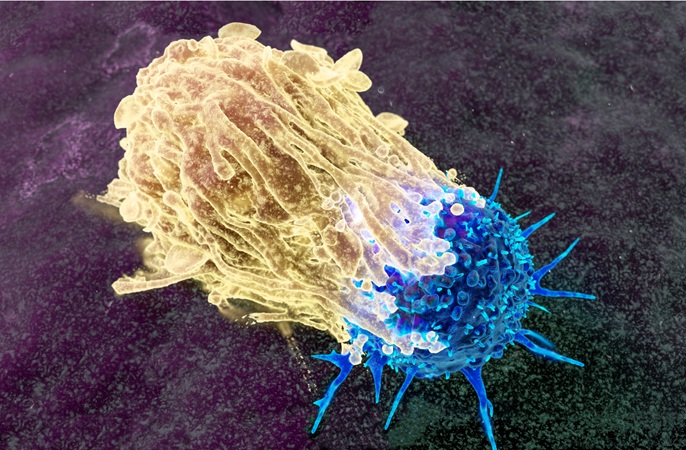
Why cancer treatment causes crushing fatigue — and what gets missed while everyone is focused on the tumor
One of the most common things cancer patients say is this:
“I expected to feel tired. I didn’t expect to feel like my body shut down.”
And they’re right.
Cancer-related fatigue is not normal tiredness. It doesn’t resolve with sleep. It doesn’t improve with caffeine. And it often gets worse the harder someone tries to push through it.
Here’s the uncomfortable truth:
once a cancer diagnosis is made, the medical system narrows its focus to the tumor — and often forgets the rest of the body.
That omission matters more than most people realize.
Fatigue Is Not a Side Effect. It’s a Signal.
A signal of cellular energy failure
Chemotherapy and radiation are life-saving therapies. They are also biologically expensive.
They don’t just affect cancer cells. They stress the very systems responsible for energy, repair, and resilience, especially the mitochondria.
Mitochondria are the tiny power plants inside your cells that convert oxygen and nutrients into ATP, the fuel that runs:
- Muscles
- Brain function
- Immune response
- Recovery
When mitochondria are injured, energy production collapses. And no amount of rest can compensate for broken machinery.
How Standard Cancer Therapies Drain Energy at the Cellular Level
1. Direct Mitochondrial Damage
Chemotherapy and radiation generate oxidative stress, producing free radicals that:
- Damage mitochondrial membranes
- Disrupt the electron transport chain
- Reduce ATP production
Cancer cells are the target.
Mitochondria are collateral damage.
2. Oxygen Utilization Breaks Down
Even when oxygen levels appear “normal,” treatment can impair:
- Microvascular blood flow
- Capillary oxygen delivery
- Cellular oxygen utilization
Without oxygen reaching mitochondria efficiently, energy production drops further. This is why patients feel winded, weak, and depleted after minimal effort.
3. Inflammation Amplifies Fatigue
Cancer therapies drive systemic inflammation, which:
- Suppresses mitochondrial function
- Signals the body to conserve energy
- Worsens brain fog, pain, and sleep disruption
Fatigue becomes a protective shutdown, not a motivational failure.
What Often Gets Missed During Cancer Treatment
And why that makes fatigue worse
Once cancer treatment begins, the clinical focus is understandably on:
- Tumor response
- Imaging
- Lab counts
But many patients never receive a comprehensive terrain evaluation to assess the factors that determine how well they tolerate treatment.
Commonly overlooked contributors include:
• Low Vitamin and Nutrient Levels
Chemotherapy and radiation increase nutrient demand while reducing absorption and intake. Deficiencies in key nutrients involved in mitochondrial function quietly worsen fatigue and impair recovery.
• Inflammation
Unchecked inflammation doesn’t just cause discomfort. It directly suppresses cellular energy production and reduces treatment tolerance.
• Oxidative Stress
Cancer therapies intentionally create oxidative stress to damage tumors. Without support, this oxidative burden overwhelms healthy cells, leaving patients more vulnerable to side effects and prolonged fatigue.
When these issues go unaddressed, patients are:
- More exhausted
- Less resilient
- More sensitive to side effects
- Slower to recover
This isn’t inevitable. It’s incomplete care.
Why “Just Rest” Doesn’t Work
Rest conserves energy.
It does not rebuild energy systems.
If mitochondria are damaged, oxygen delivery is impaired, and inflammation is unchecked, fatigue persists regardless of sleep or effort.
This is where a Terrain-based approach changes the trajectory.
The Terrain Approach to Cancer Fatigue
Support the body that’s fighting the cancer
At James Clinic, we approach cancer fatigue as a multi-system problem with mitochondria at the center.
Our goal is not stimulation.
Our goal is restoration.
MDI: Microdosing Infusion (Mitochondrial Reboot Therapy)
MDI is designed to:
- Support mitochondrial repair
- Reduce oxidative stress
- Improve cellular energy production
- Bypass gut limitations common during treatment
For many patients, this is the first time fatigue begins to lift in a meaningful way.
Oxygen Delivery & Microvascular Support
Improving oxygen delivery helps mitochondria function more efficiently, supporting:
- Energy production
- Tissue repair
- Cognitive clarity
This is critical when fatigue persists despite “normal” labs.
Addressing Nutrient Deficiencies, Inflammation, and Oxidative Stress
We evaluate and support:
- Vitamin and micronutrient status
- Inflammatory load
- Oxidative stress balance
These are not optional details. They directly influence how well treatment is tolerated.
Nervous System and Sleep Regulation
Cancer treatment places the body in a constant threat state.
We focus on restoring parasympathetic balance so repair can actually occur.
Sleep is not a luxury during cancer care.
It is when mitochondrial recovery happens.
What Patients Often Notice First
As cellular energy begins to recover, patients may notice:
- Less severe post-activity crashes
- Improved mental clarity
- More stable energy across the day
- Better tolerance of treatment
Progress is gradual. But it is real.
The Bottom Line
Cancer treatment is a necessary evil many people deal with.
But ignoring the body’s energy systems leaves patients unnecessarily depleted and vulnerable.
Fatigue is not something you should simply endure.
It is a biologic signal that deserves attention.
At James Clinic, the Terrain Program exists to support the whole body, not just the tumor, so patients can move through treatment with greater strength, resilience, and quality of life.
Because surviving cancer should not mean living without energy.