
When your cells are “running on fumes,” you don’t need another pep talk. You need a reset.
The Mitochondrial Reboot Protocol is a physician-guided metabolic restoration program designed to improve how your body creates energy (ATP) and uses fuel at the cellular level. Your mitochondria are the engines inside your cells, turning food into usable energy. When they slow down, everything downstream gets noisy: nerves, brain, hormones, circulation, recovery, and resilience.
What are mitochondria and why do they matter?
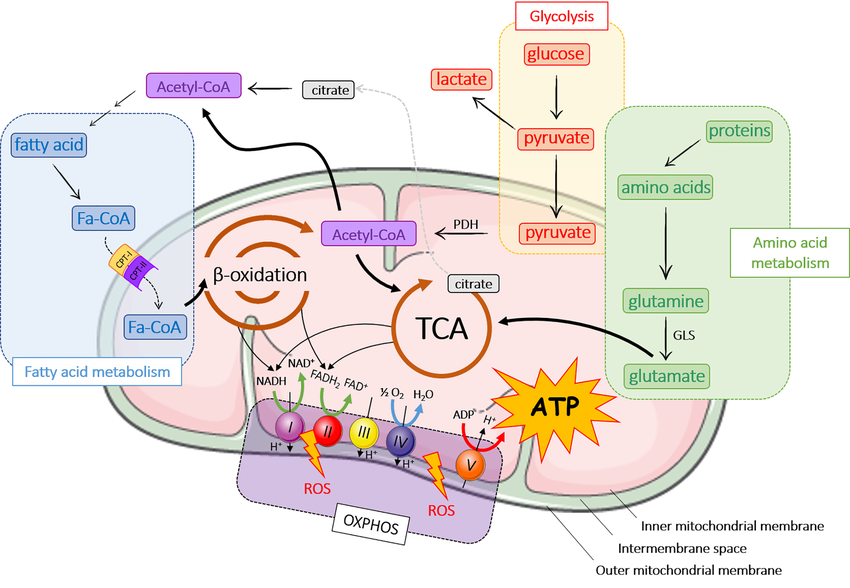
Mitochondria are often called the “powerhouses” of the cell because they convert nutrients into ATP, the energy currency that powers repair, function, and performance.
When mitochondrial function declines, your body may struggle to:
- make enough energy
- manage oxidative stress
- repair tissue effectively
- maintain stable nerve and brain signaling
The James Clinic take: chronic symptoms are often a metabolic signaling problem
Peripheral neuropathy is a perfect example. It’s often labeled “nerve damage,” but a growing body of mechanistic evidence supports a broader view: neuropathy can reflect metabolic failure, impaired insulin signaling, mitochondrial dysfunction, and disrupted cellular energy utilization, not just irreversible nerve cell death.
Neurons are energy-hungry. They rely on continuous ATP to maintain conduction and repair. When mitochondrial ATP production drops, regeneration and signaling suffer.
What is the Mitochondrial Reboot Protocol?
Our protocol is built around a structured micro-dose infusion approach designed to support:
- intracellular glucose utilization
- mitochondrial energy production
- microcirculatory support
- physiologic metabolic signaling restoration
This isn’t about “forcing” numbers. It’s about helping your body re-engage the signals that drive normal metabolism.
Why micro-bursts matter
In published research, normal pancreatic insulin secretion occurs in bursts every 4–6 minutes, creating a rhythmic metabolic signal that supports healthy fuel processing.
The MDI model describes this as restoring the body’s metabolic “language” by recreating physiologic signaling patterns.
Who is this for?
This protocol may be a fit for people whose symptoms are driven by systemic energy and signaling dysfunction rather than isolated structural injury, including:
- prediabetes, insulin resistance, metabolic syndrome
- peripheral neuropathy (including diabetic or chemotherapy-associated)
- fatigue and low recovery capacity
- vascular and microcirculatory issues
- cognitive decline patterns where metabolic resilience is part of the picture
Important: Eligibility is determined by your clinician based on your history, labs, and current therapies.
What results are possible?
In outcomes described within the MDI materials and analyses referenced in the white paper:
- ~94% of neuropathy patients showed measurable improvement or symptom reversal in an MDI-based program
- Objective neurological measures showed an average 65% improvement in nerve conduction velocity
- A subset achieved complete return to normal neurological function within three months (reported in the same referenced outcomes)
How we present this at James Clinic: we don’t promise cures. We track function, symptoms, and objective markers over time, and we adjust intelligently based on your response.
Why we also care about protein and structural repair
Recovery isn’t just “less inflammation.” Nerves and muscles need rebuilding materials. The white paper highlights that amino acids support myelin repair, neurotransmitter synthesis, and muscle-nerve reconnection, and that improved metabolic signaling may improve utilization of nutrition and infused amino acids.
Translation: we don’t run this as a stand-alone “IV and goodbye.” We run it as a repair program.
What the process looks like
1) Intake + candidacy review
We review your history, goals, current meds/supplements, and relevant labs.
2) Protocol design
Your clinician determines the appropriate plan and monitoring strategy.
3) Guided sessions + tracking
We monitor symptom trends (energy, neuropathy symptoms, cognition, recovery), and adjust as needed.
4) Maintenance (if needed)
Some patients transition to a less frequent maintenance rhythm depending on goals and response.
MDI Patel
Safety and clinical framing
MDI materials describe long-term use and emphasize safety reporting history; however, your care at James Clinic is always individualized, clinically supervised, and based on your full risk profile and comorbidities.
Our stance: this is a metabolic restoration strategy, not a cure, and outcomes vary.
FAQ
No. Metabolic signaling dysfunction can show up long before diabetes, and neuropathy and energy failure patterns can exist even when glucose looks “fine.”
Some people report early shifts during initial sessions; others improve gradually over weeks.
We coordinate with your current care plan and tailor timing and monitoring. We recommend a full mitochondrial support program between treatments for optimal outcomes.
No. We practice medicine, not magic. We do, however, track outcomes tightly and adjust intelligently.
Ready for a metabolic reset?
If you’re tired of symptom-chasing and you want a physician-led strategy focused on cellular energy and metabolic signaling, the Mitochondrial Reboot Protocol may be your next best move.
GOODTrustindex verifies that the original source of the review is Google. The James Clinic is the best! From their natural approach to wellness to traditional medicine, I couldn't be happier with the level of care, expertise and true options for healthcare that I have received over the years. ⭐️⭐️⭐️⭐️⭐️ Five stars!!Posted onTrustindex verifies that the original source of the review is Google. I appreciate being able to walk into a facility and know I won't be pressured into something I don't want. I also know they will take care of ALL of me and not just a symptom. They will try to find the root cause and won't stop until you are the healthiest version of yourself. Truly grateful for The James Clinic!Posted onTrustindex verifies that the original source of the review is Google. Dr. Mollie James deeply cares for each patient. When in the exam room, she gives her undivided attention, answering every question thoroughly and never appears rushed. Her bedside manner is top notch and her medical knowledge is out of this world. The entire team strives to be advocates for their patients and equip their patients with knowledge and to advocate for themselves. This practice is a gift and I am thankful for them. May you keep battling for truth and wellness!Posted onTrustindex verifies that the original source of the review is Google. 2.5 years ago I was in a very bad place health wise, even as a healthcare professional I felt lost. I didn’t know where to go to find help. No one in western medicine would listen to me or believe me. Then I found out about Dr. Mollie James. I remember to this day, I asked her do you think it is too late for me, she said it is never too late our bodies can do miraculous things and heal, we just have to give it what it needs. In the end she was right, every treatment we tried at her clinic, I continued to get better. The first time I went without a symptom for a couple weeks , I just couldn’t believe it. She gave me the hope and healing I needed, I am forever grateful. If I could give her clinic a million stars, I would. Just remember it is never too late and we are not alone, there are people who truly care, she is one of them!Posted onTrustindex verifies that the original source of the review is Google. I have had nothing but a positive experience at this clinic and with their staff. All have been very attentive, they truly listen and try to address the problem at hand rather than providing a band-aid for your symptoms.